Toggle Nav 
search
shopping_cart ()
SUMMER SALE NOW ON
CLICK FOR LATEST OFFERS
The Art, Science & Heritage Behind Exceptional Italian Leather
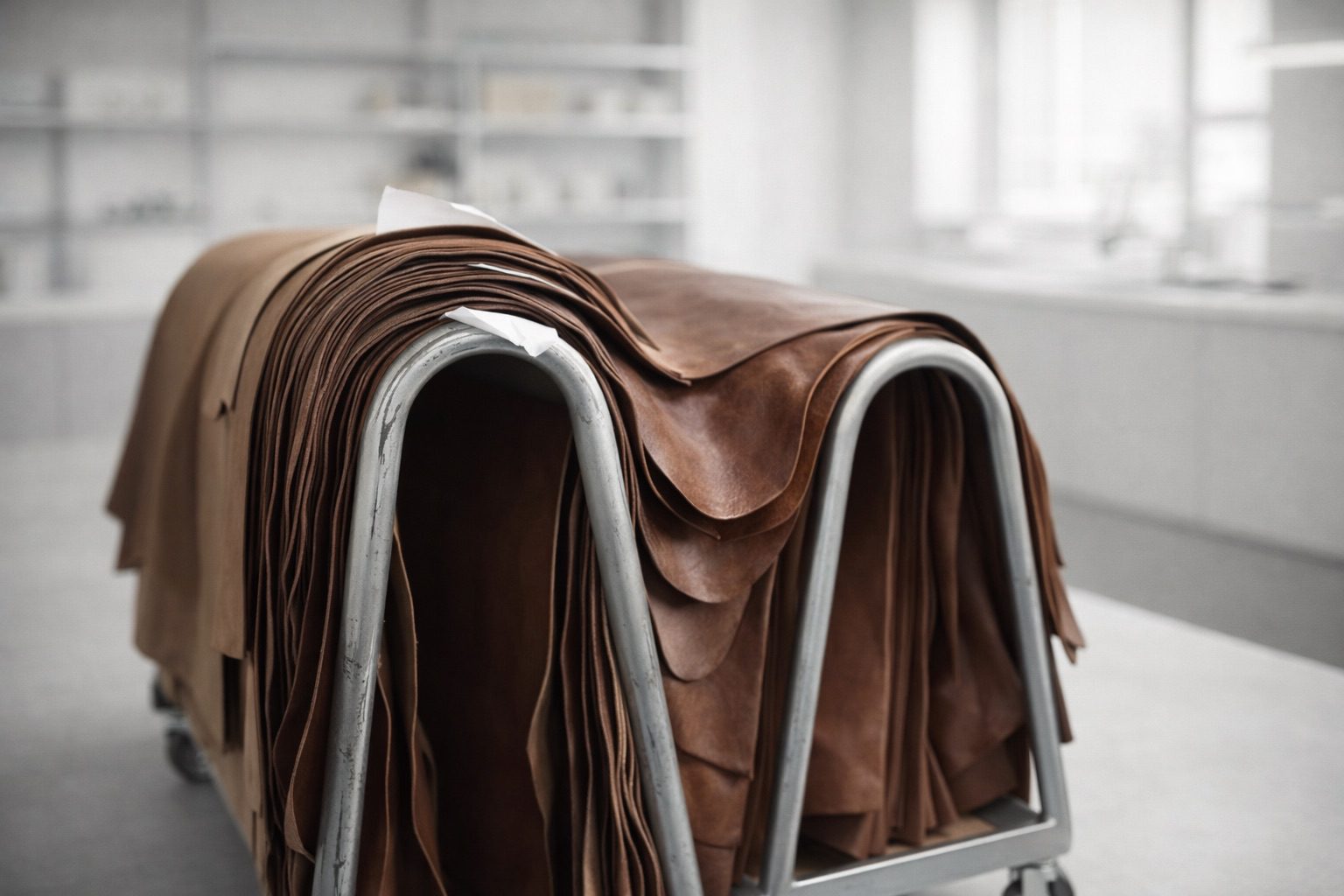
Moreeover, in the world of fine leather craftsmanship, true quality is never rushed. Instead, it is cultivated slowly, deliberately, and with deep respect for tradition. Nowhere is this more evident than in the time-honoured 60-day vegetable tanning process used to create our distinctive Vachetta leather, a method so rare that only a handful of master tanneries in Italy still practise it.
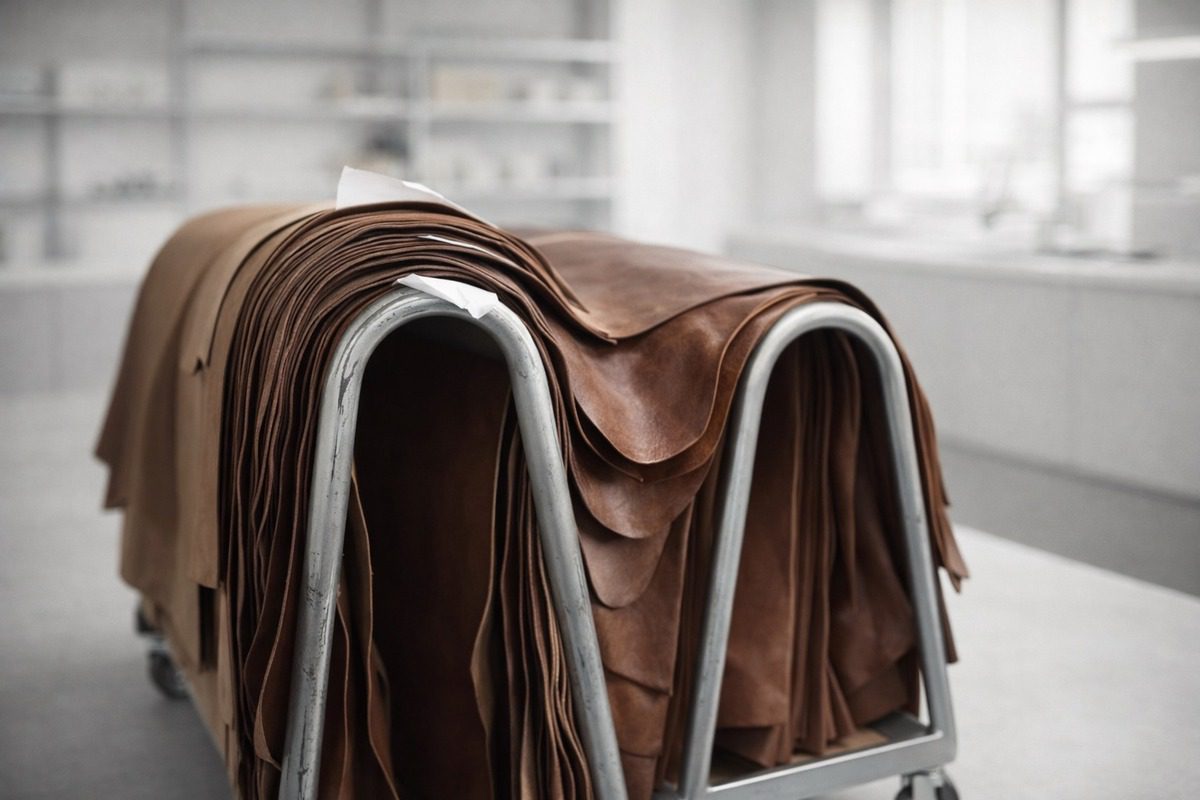
Our prestigious leather is certified by the Genuine Italian Vegetable-Tanned Leather Consortium, a certificate of quality awarded to less than 1.5% of Italian tanneries. Therefore, by showcasing their trademark and quality assurance, we honour the heritage of skilled artisans.
This meticulous approach transforms raw hide into leather of extraordinary character, durability, and beauty, producing a material that not only endures but matures, developing a rich, natural patina that becomes more compelling with each passing year.
Moreover, at Maxwell-Scott, this slow, patient process sits at the heart of our leather craftsmanship philosophy and defines the exceptional quality of our luxury leather and linings.
Inside This Guide
However, today, only 10–12% of the world’s leather is vegetable-tanned. The vast majority is processed using faster, chemically intensive methods designed for speed, uniformity, and mass production.
However, vegetable tanning is fundamentally different. It relies on natural tannins extracted from tree bark, roots, and leaves, rather than chromium salts and synthetic agents. This natural process is significantly slower, far more labour-intensive, and demands exceptional skill, experience, and patience.
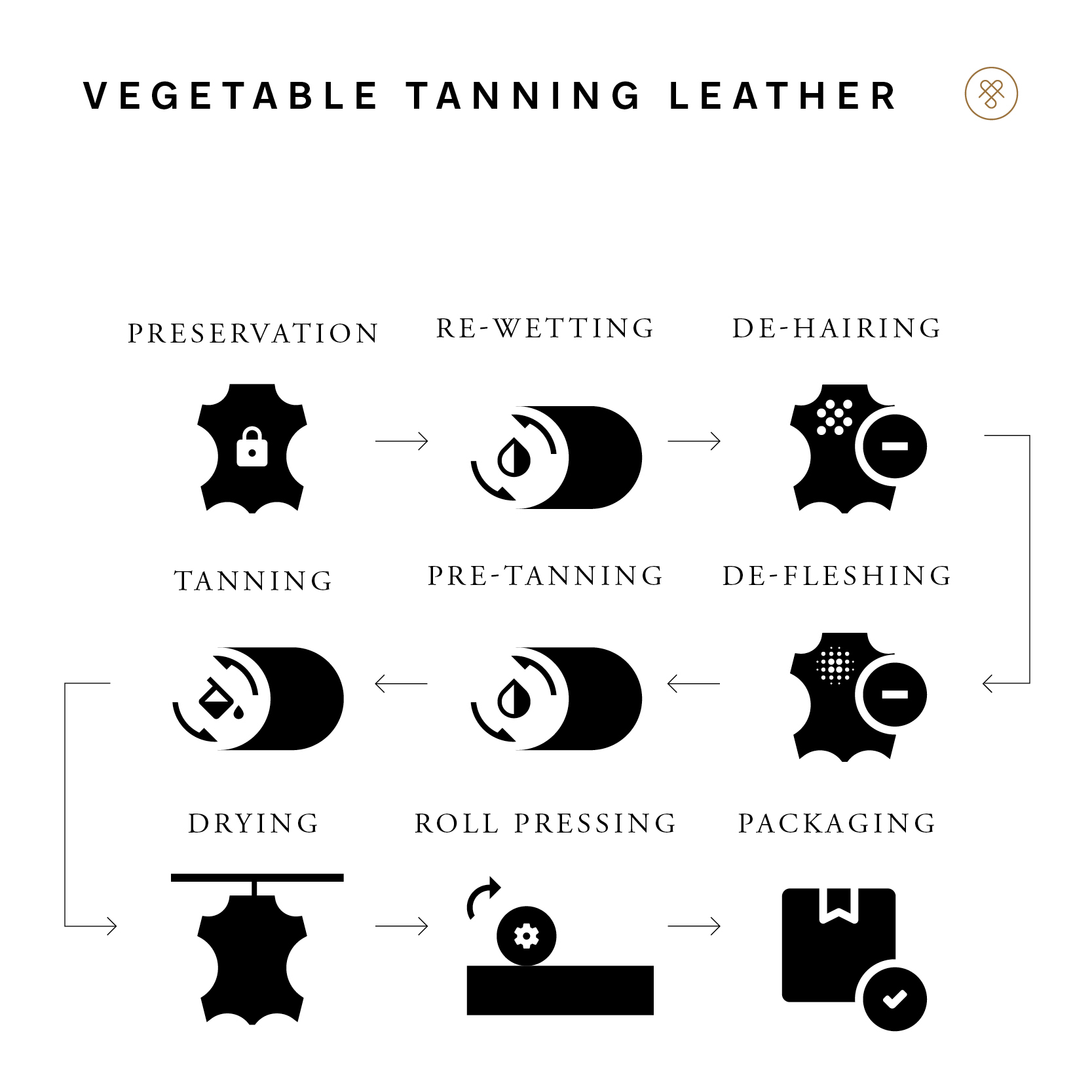
Among those who still practise it, a single Italian tannery holds the precise formula that produces our unique Vachetta leather, perfected and protected over generations. Their traditional chestnut extract tanning process requires a full 60 days, because exceptional leather simply cannot be rushed.
This devotion to heritage production reflects the philosophy behind Made in Italy craftsmanship and, similarly, the long-standing reputation for excellence that underpins why Italian leather is considered the finest in the world.
The Traditional 60-Day Tanning Process Explained
1 — Natural Chestnut Extract Infusion
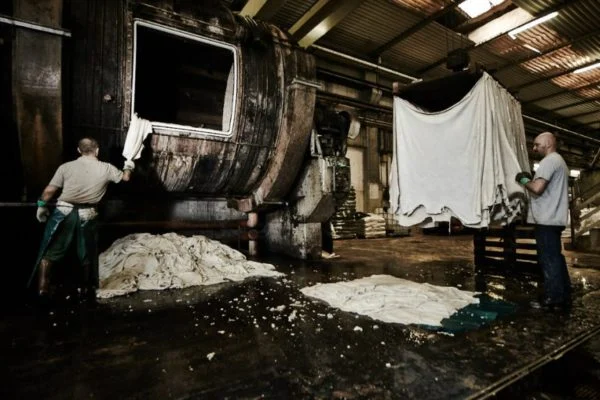
The hides are immersed in a series of vats containing increasingly concentrated solutions of natural chestnut tannins. This allows the leather fibres to absorb tannins deeply, strengthening the hide while maintaining breathability and suppleness.
Unlike chemical tanning, which forces rapid penetration, this slow infusion ensures long-term resilience, refined texture, and superior ageing behaviour.
2 — Progressive Maturation
Over a full 60 days, the hides pass through multiple stages of tannin concentration. At each stage, the leather matures further, gaining:
Consequently, this patient approach is why vegetable-tanned leather develops its celebrated warmth and depth, qualities that allow it to evolve gracefully into a distinctive natural patina.
3 — Slow Drying & Conditioning
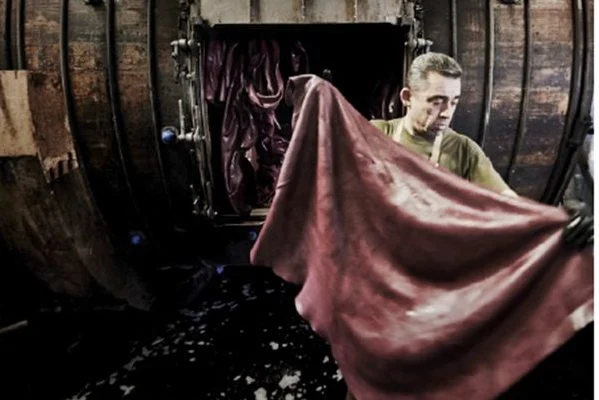
Once tanning is complete, the leather is air-dried slowly, never dried unnaturally, before being conditioned using natural oils and waxes. This preserves fibre elasticity while enhancing surface richness and tactile softness.
Consequently, the result is leather that feels alive, responsive, and deeply characterful.
Why 60 Days Matter
Above all, time is the most critical ingredient in fine leather.
Rapid tanning processes can complete leather in just days, but sacrifice:
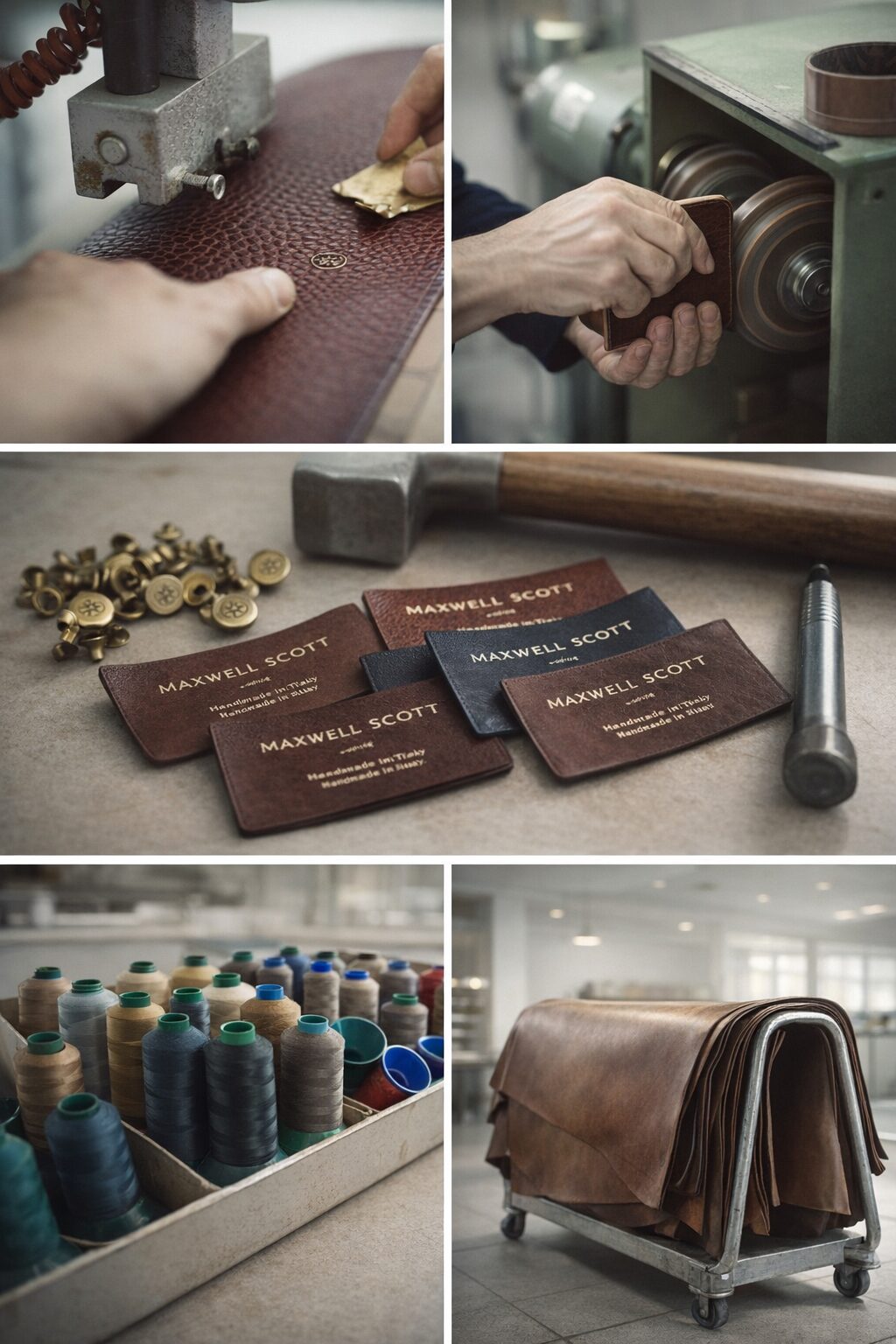
A 60-day tanning cycle allows leather fibres to fully stabilise, creating a hide that not only looks beautiful when new, but also continues to evolve gracefully for decades.
For this reason, our leather is trusted for everyday business use, long-haul travel, and lifelong ownership, all supported by our 25-year warranty.
Understanding Surface Dyeing vs Drum Dyeing
Colour is one of the most immediate indicators of leather quality. However, the method used to achieve it profoundly influences durability and ageing behaviour.
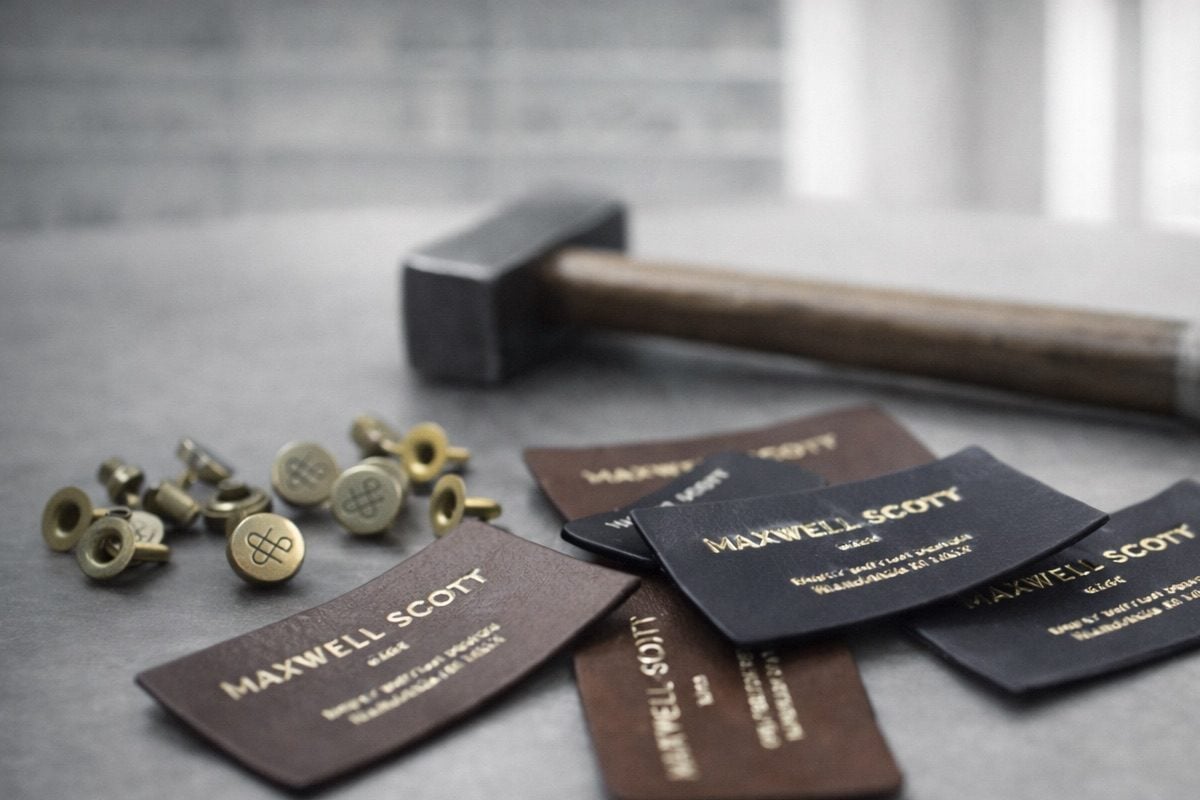
Surface Dyeing: Typically Used for Lighter Shades
Surface dyeing is applied primarily to the exterior of the hide, often by hand. While it allows delicate tonal control, pigment does not fully penetrate the fibres.
As a result:
Drum Dyeing: Essential for Dark Colours
Drum dyeing places hides into large rotating vats, allowing pigment to penetrate the fibres completely.
Therefore, this delivers:
Premium leather always relies on deep drum dye penetration, particularly for darker shades, to ensure durability and refined aesthetics over time.
Spotting Cheaper & Lower-Quality Italian Leather
Not all Italian leather meets luxury standards. While Italy remains the global benchmark, industrial-scale production methods have introduced shortcuts that compromise quality.
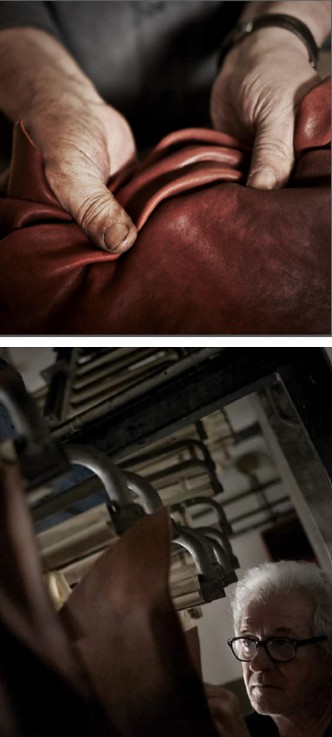
1 — Speed Tanning Using Harsh Chemicals
Produces leather that:
2 — Surface-Only Dyeing
Leads to:
3 — Vinyl Coatings to Mask Imperfections
Results in:
True luxury leather displays a soft, natural lustre, never synthetic gloss.
The Beauty of Time
Patina is the quiet hallmark of exceptional leather. It is not a flaw, but the graceful transformation that occurs as leather responds to light, movement, touch, and time.
Through daily use, leather gradually deepens in tone, softens in texture, and develops a subtle glow, becoming more beautiful with every passing year.
Consequently, this evolving character lies at the heart of our leather craftsmanship philosophy and defines the emotional bond owners develop with their leather pieces.
The Journey of Patina: A Timeline
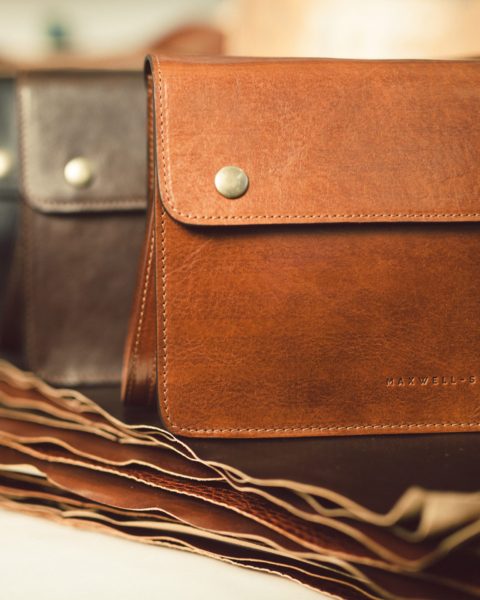
A Philosophy Rooted in Craftsmanship
The 60-day tanning process represents more than technique; it reflects a philosophy:
Consequently, each hide carries generations of skill, knowledge, and pride, ensuring craftsmanship remains alive in every creation.
Crafted to Age Beautifully
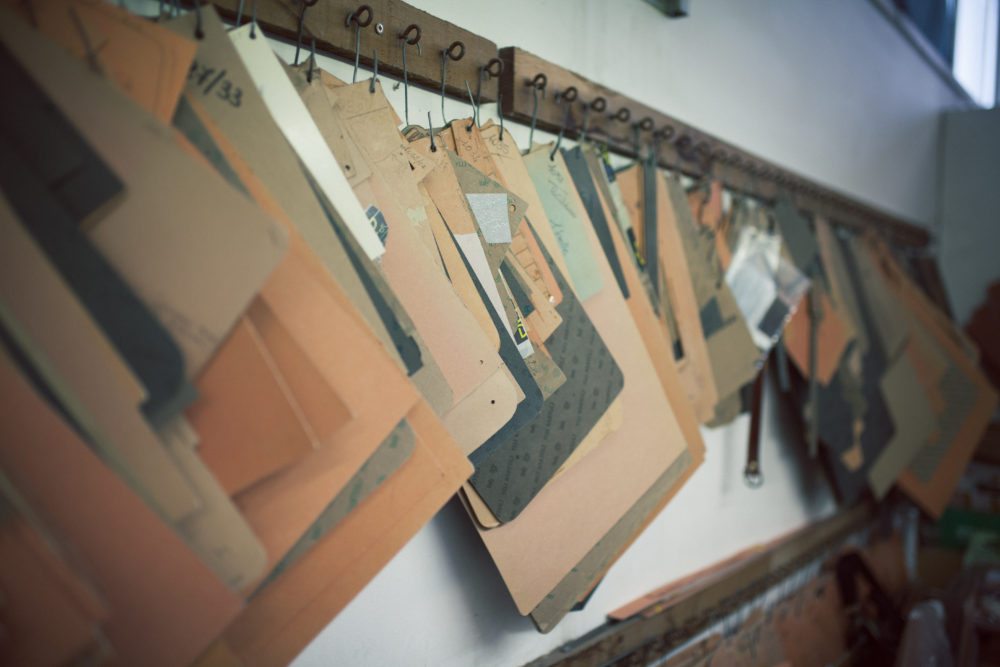
Our bags are designed not simply to be worn, but to be lived with. Through thoughtful use and refined care, vegetable-tanned leather evolves into a deeply personal expression of craftsmanship, experience, and individuality.
Whether in daily business use or during years of travel, our leather grows more beautiful over time, becoming a lifelong companion shaped by movement, memory, and moments.
With this in mind, explore our collections:
Craft Library
Discover the stories, processes and materials behind our leather goods, from tanning to patina and the artisans who bring each piece to life.